Stop Waking Up with Heel Pain: Fast, Non-Surgical Relief for Plantar Fasciitis
Nov 24, 2026

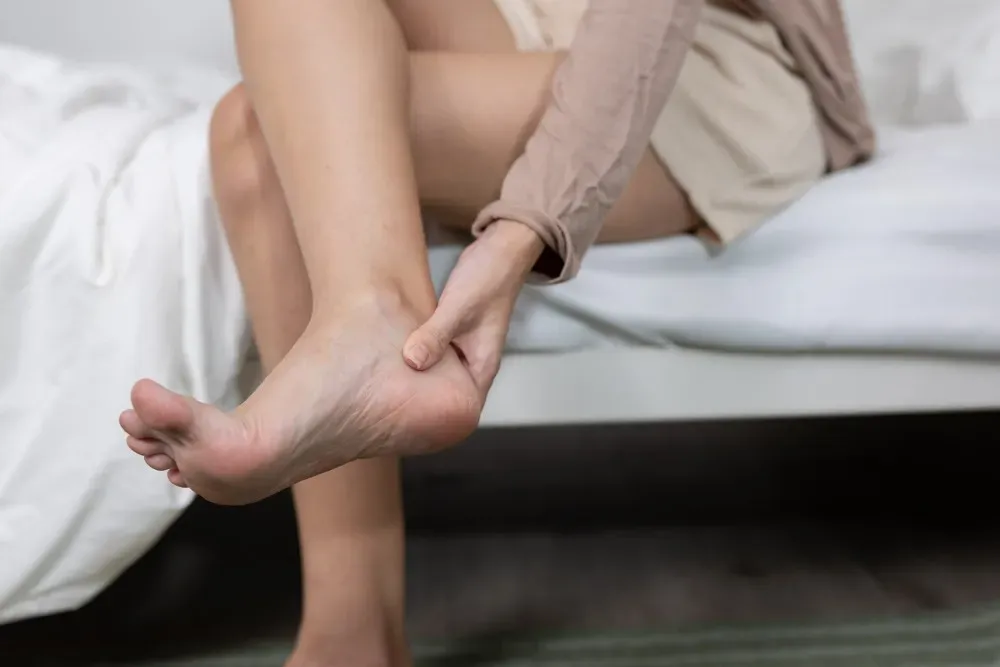
Do you dread taking that first step out of bed each morning? The sharp, stabbing pain in your heel is a classic sign of plantar fasciitis.
At Southwest Foot & Ankle Center, we understand how frustrating this condition can be. Dr. Petrina Lewis and Dr. Mark Lewis provide advanced, non-surgical care to help you walk comfortably again. We serve patients across Scottsdale, Arizona, as well as Renton, Redmond, Puyallup, and Everett, Washington.
Many people believe that heel pain requires surgery or a quick-fix injection. However, true healing takes time. A 2023 cohort study featured in JAMA analyzed 174 patients with plantar fasciitis and found that 80.5% still experienced symptoms after one year.
This shows that repairing the deep tissue of your foot is a gradual biological process. Our team focuses on conservative, non-surgical therapies that support your body's natural recovery.
You can reduce morning heel pain by keeping the tissue stretched overnight and performing targeted exercises before standing. The Journal of Orthopaedic & Sports Physical Therapy (JOSPT) recommends a 1-3 month program of night splints for patients with severe morning pain.
During sleep, your foot naturally relaxes and shortens. A night splint holds your foot in a neutral position to prevent this contraction. This may reduce the strain placed on your plantar fascia when you take your first steps in the morning.
We also recommend stretching your calf and the bottom of your foot before getting out of bed. Gently pulling your toes back toward your shin elongates the tissue. We often combine these home habits with custom orthotics to support your arch during the day.
Steroid injections can provide short-term pain relief, but they don’t address all of the factors that contribute to plantar fasciitis and may not provide long-term symptom improvement.
A study in the Orthopaedic Research Journal compared treatments in 90 adults with chronic heel pain. At 4 weeks, steroid injections showed better pain reduction than sound wave therapy. However, by 24 weeks, the sound wave therapy group reported a 4.2-point reduction in pain on a 10-point scale.
Repeated steroid injections may increase your risk of complications, including heel fat pad atrophy and plantar fascia rupture. A review in Medicine International discusses these potential risks.
Instead of temporary fixes, we focus on regenerative options. We offer shockwave therapy to stimulate natural tissue repair. This non-invasive treatment uses acoustic waves that may help reduce pain and improve function in some patients with chronic plantar fasciitis.
We treat plantar fasciitis by first ensuring an accurate diagnosis and then building a personalized, non-surgical recovery plan. Not all heel pain is plantar fasciitis. The JOSPT guidelines emphasize the necessity of ruling out other conditions, such as a calcaneal stress fracture or nerve entrapment.
Once we confirm your diagnosis, we tailor your care. We may recommend 3D-printed custom orthotics to reduce pressure on your arch. For stubborn cases, we offer advanced options such as shockwave and red light therapy.
Our goal is to resolve your pain without invasive surgery. We guide you through every step of your recovery, from stretching protocols to advanced office treatments.
Don’t let heel pain keep you from enjoying your daily activities. If you’re ready to find lasting relief, call Southwest Foot & Ankle at 480-900-7399 or visit us online to schedule a consultation with our team today.